 Call Us: 0800 999 0200
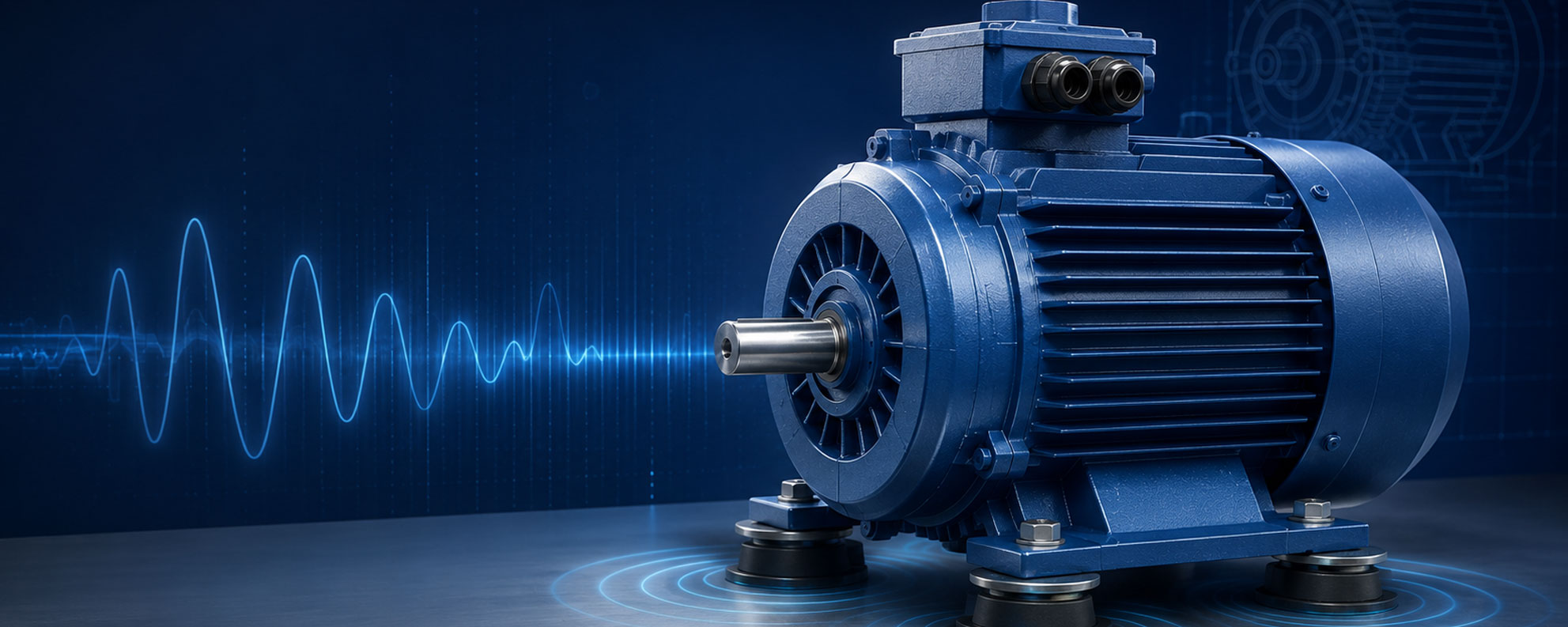
Electric motors are used throughout many industries to power pumps, fans, conveyors, machine tools, and countless other operations. While modern motors are designed to offer efficient and consistent output, noise and vibration can still occur during normal use. In some cases, it could be an unusual hum that recently started, or a much louder mechanical noise that causes vibrations in the machine; either way, it’s likely that the motor is indicating some early warning signs of developing mechanical or electrical problems.
This is why reducing noise and vibration is important for maintaining good working conditions. Machinery and equipment running efficiently and as intended is the primary objective of most businesses, as breakdowns can result in costly downtime and expensive repairs. By understanding where the source of the noise and vibration is coming from, you can ensure a swift repair and keep business running as usual.
Where does motor noise and vibration come from?
The source of noise and vibration in motors varies greatly and entirely depends on the source. Mechanical issues such as worn bearings, shaft misalignment, imbalance, and loose mounting arrangements are amongst the most common causes. There are also electrical issues that contribute, particularly when electromagnetic forces from the rotor and stator within the motor cause vibrations. Additionally, cooling fans and airflow can also create an aerodynamic noise or feeling of vibration, especially under high-speed conditions.
In general, there is a wide range of factors that cause noise and vibration in electric motors, and identifying the root cause will require specific solutions for each case.
How to reduce noise and vibration in electric motors
Reducing noise and vibration in electric motors is done by a combination of good practice, proper maintenance, and a solid setup. By identifying and addressing issues early, you can increase the motor’s reliability and avoid any unexpected downtime.
Optimise motor control
Inverters, also known as variable frequency drives (VFDs), can significantly improve overall motor operation. Inverters allow the motor to stop, start and run at controlled speeds, which can reduce sudden changes in torque that create vibration. By making sure to properly match the motor speed to the application requirement, inverters can help improve energy efficiency as well as reduce overall noise and vibration in the motor.
Maintain cooling systems
Maintaining your cooling system plays a vital role in maintaining performance and reducing noise levels. Cooling fans, ventilation openings, and airflow paths can all generate minor to major noise depending on whether the parts have become dirty, blocked, or unbalanced. Excessive dirt or dust can lead to blockages, causing the machine to potentially overheat, as well as audible noise and vibrations.
Monitor Equipment Condition
Condition monitoring is a great way to identify any potential problems before they become serious failures. This kind of inspection involves surveying the machinery to see if all parts are in working order using techniques such as thermal imaging, vibrational analysis, and routine inspection. If any parts of the equipment fail to meet the standard or show signs of wear, those parts can be replaced in a timely manner to avoid any future breakdowns.
Structural Resonance
Structural resonance occurs when the main body of the motor, including the mounting frame or its structural surrounding, matches the frequency at which the motor is operating. This means that when the motor is running, even at lower speeds, the noise can be significantly amplified and add additional stress to the motor itself. This can occur when motors are incorrectly mounted or in need of assessment and repair, as this can result in premature wear of components and reduce overall system reliability.
Power Quality Issues
Poor power quality is another factor that can contribute to increased motor noise and vibration. Fluctuations in voltage, phase imbalance, and unstable power supplies can all affect the way the motor operates. These disturbances can result in uneven magnetic forces in the motor, leading to additional vibration, increased temperature, and reduced efficiency. Additionally, poor power quality can reduce the equipment’s lifespan by putting unnecessary stress on electrical components.
Commutation Noise
Commutation noise is more commonly associated with brushless DC (BLDC) motor types. It occurs when the electrical current switches between the motor windings, resulting in a rapid change of magnetic forces that can create audible noise and vibration. Factors such as switching frequency, torque ripple, and motor control settings can all influence the level and intensity of commutation noise produced. Whilst this is a less common issue in industrial motors, it’s still worth considering in applications that use electric motors.
Consider the entire drive system
Noise and vibration are not always caused by the motor alone. Electrical equipment is complex, with many individual parts working together to create a reliable system that consistently performs. Pumps, fans, gearboxes, conveyors, couplings, and supporting structures can all contribute to overall system noise and vibration. In some cases, if vibration is produced elsewhere in the machine, it may be transferred to the motor, making identifying and diagnosing the problem more challenging.
How to reduce mechanical noises
One of the most effective ways to reduce mechanical noise and vibration is regular maintenance. By carrying out routine inspections, bearing replacement, lubrication, balancing, alignment checks, and proper mounting, you can identify any developing issues before they become larger repairs. It’s also important to look at the motor itself, as factors such as electrical supply quality, inverter settings, cooling systems, and connected equipment such as gearboxes or pumps can all affect the overall operation of the motor.
Other solutions, such as soft starting of the motor to reduce sudden force to the system, torque ripple reduction, which ensures smoother delivery of power for brushless motors, and having the motor professionally inspected, can help you avoid any costly repairs, as well as ensure the longevity and efficiency of the motor.
Conclusion
To some degree, noise and vibration are expected with a variety of electric motor systems, but excessive or unusual levels should never be ignored. Whether it’s caused by something minor or points to a much larger mechanical issue, these symptoms often point to a need for repair or replacement.
By combining proper installation with routine maintenance, businesses can significantly reduce not only noise and vibration, but also costly downtime or expensive, last-minute repairs. By having a proactive approach, you can ensure a more efficient workspace, extend the life of the machinery, and improve overall energy efficiency.


