
Electric Motors
RJW Motors and Inverters supplies an extensive range of electric motors for industrial or domestic equipment. Available in different mounting options, including Foot mounted, Flange mounted and Face mounted, our robust and durable motors will suit every requirement and budget without compromising quality. Please note the current electric motor efficiency regulations state the following rules for induction motors: The electric motors included are single phase, three phase 50hz continuous duty electric motors. These motors must meet IE3 values or IE2 values when controlled by an inverter. Sizes include 0.75kW to 375 kW 2,4,6 Pole. Motors supplied by RJW comply with regulations and are IE3 efficient. If you aren’t sure about anything, you can get in touch with our specialist team, and we’ll be able to help.
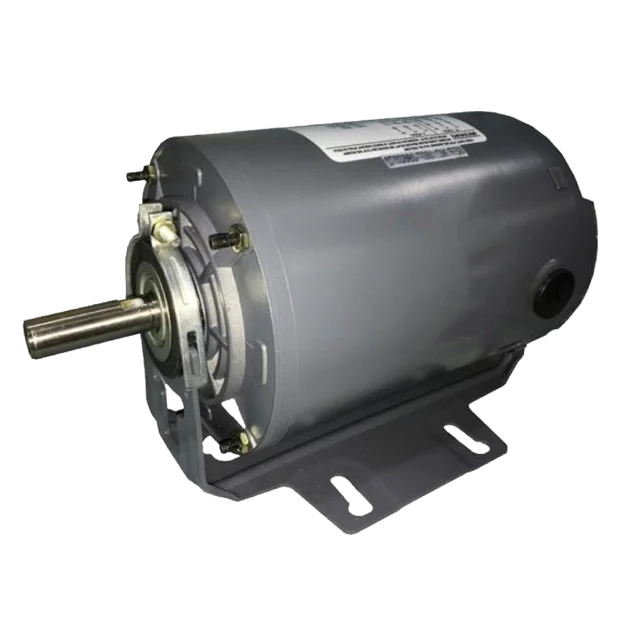
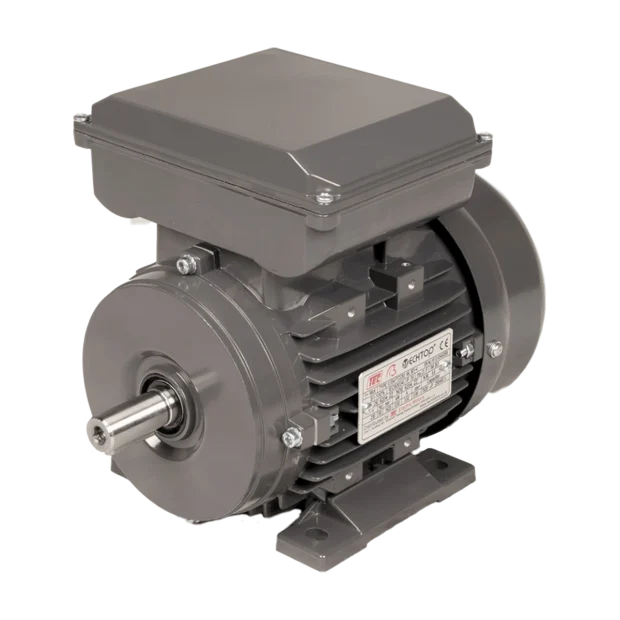
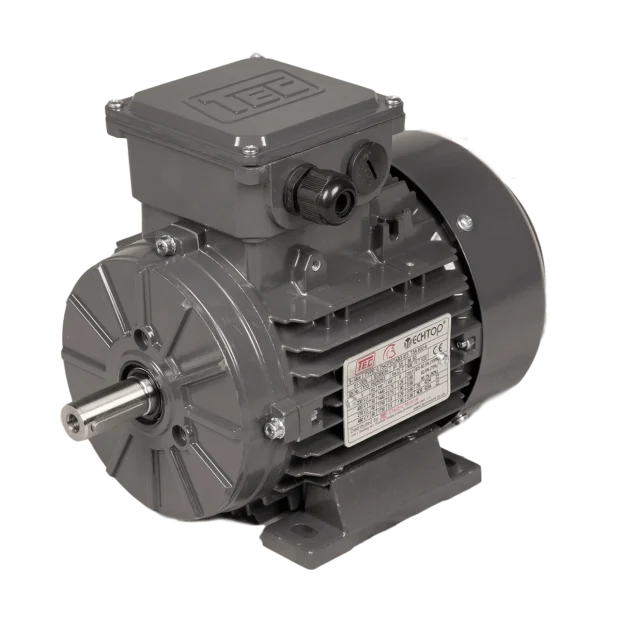
The most common applications for industrial motors
In today's modern industrial economy, electric motors have numerous applications in industry. The most common applications include:
- Pumps for transferring water and coolant around facilities
- Fans for ventilation, dust extraction, and drying
- Compressors for refrigeration and the food industry
- Agitators, centrifuges, and mixers for chemical and beverage production
- Machine tools for raw production, like saws, lathes, and presses
- Agricultural machinery for handling grain and feed systems, as well as milking plants
- Roller tables and conveyors for packing halls and production lines
Why buy your motors from RJW Motors & Inverters?
Buying motors from us comes with numerous benefits you may not expect. RJW Motors and Inverters is a part of RJW Engineering, a firm based in Manchester with more than 80 years of experience in the industry.
Here's why our customers keep coming back to us:
Assistance with replacement motors
We provide direct assistance for our customers looking to replace motors. What you need to do is send us:
- a nameplate photograph
- an old part number
- the machine it came from
We can tell you what you need to replace it with.
Engineering support
We assist with mounting duty cycle, frame size, and more. We can work through an entire specification with you if needed.
Fast free delivery and substantial inventory
Waiting to get new parts, equipment, and the motors you need is a pain, but with RJW Motors & Inverters, you can get the stock you require delivered with free delivery to the UK mainland, all with 30-day return options.
Manufacturer technical support
Our team is fully manufacturer-trained and can answer all your questions regarding any new specification or installation.
Non-standard motors to order
If you can't find any material you need on our website, just ask our team. Often we're able to source special products particularly suited to hazardous area use.
Installation and repair capabilities
We don't just ship you the motors you need. We also offer motor installation, motor repairs, gearbox repairs and pump repairs. When you come to us, you get proper lifecycle support.
Our motor manufacturers
These are the manufacturers we have chosen based on their reliability and expertise:
Brook Crompton
RJW Motors & Inverters is an official distributor of Brook Crompton Motors, a long-standing name in British motor manufacturing. The company dates back to 1878 when it was known as R.E.B. Crompton & Co and Ernest Brook, who created the first AC motor unit in Huddersfield in 1904. The two entities merged in the late 1960s, and the company is still headquartered in the Yorkshire town today. The brand builds low-, medium-, and high-voltage motors for safe and various hazardous duty environments and units that are in IE3 and IE4 efficiency classes.
TEC Motors
RJW Motors is also an official distributor of TEC Motors. This Worcestershire-based company got its start in 2006, but despite its youthful age, it offers one of the most comprehensive motor inventories in the UK. This partner is particularly helpful because of its deep stock, allowing short lead times and fast turnaround replacements.
Frequently Asked Questions
What types of electric motors are available?
RJW Motors and Inverters supply single-phase units running 0.12kW to 3kW on a standard 230V supply and three-phase motors that extend to 7.5kW, with TEC starting at 0.18kW and Brook Crompton covering the full range. If you need higher output power, get in touch with our team.
B56 imperial frames suit machine tools with rolled steel casings in drip-proof or totally enclosed options. Mounting styles include foot (B3), C face (B14), and D flange (B5) configurations.
How do I specify the correct motor for my application?
Electric motors have kW ratings you can match to your load demands, with single-phase limited to 3kW whilst three-phase extends to higher power outputs.
Environmental factors matter, too, with food processing needing washdown protection, dusty locations requiring totally enclosed fan cooling, and space constraints influencing mounting choices between foot, face or flange configurations.
Single-phase or three-phase motors?
230V domestic supply restricts single-phase motors to 3kW maximum output. 400V industrial connections let three-phase units deliver consistent torque above 0.75kW with superior efficiency.
Capacitors complicate single-phase starting, especially on larger motors. Three-phase designs start directly, maintain cooler temperatures, and handle continuous duty without additional components.
What is the life expectancy of an electric motor?
It's normal for an electric motor to last 15-20 years when it is appropriately specified for your application.
Aggressive environments significantly reduce lifespan - chemical vapours attack windings, dust blocks cooling vents. Choosing the correct enclosure type from the start protects your investment better than any maintenance routine.
How do I select the appropriate motor speed?
Your driven equipment determines pole selection - fans typically need 2800-3000rpm two-pole motors, pumps suit 1400-1500rpm four-pole units, and conveyors often use 950-1000rpm six-pole designs. Direct coupling requires exact speed matching.
Variable speed drives offer flexibility when fixed speeds won't suffice. Belt reduction from faster motors sometimes provides better control than direct-drive arrangements.
Where can I find more information or assistance?
RJW Motors and Inverters provide technical support on 0800 999 0200. Our facility stocks the electric motors covered above, plus compatible drives and accessories.
Access wiring diagrams and dimensions online or email [email protected] for quotations.
Not sure what
you're looking for?
Contact our experienced technical team
and we can help you find what you need.
 Contact Us at 0800 999 0200


