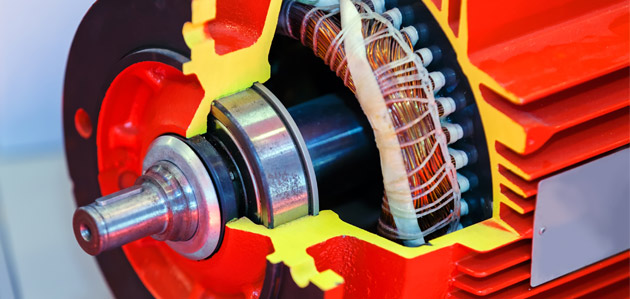
Hazardous Motors
What are hazardous area motors?
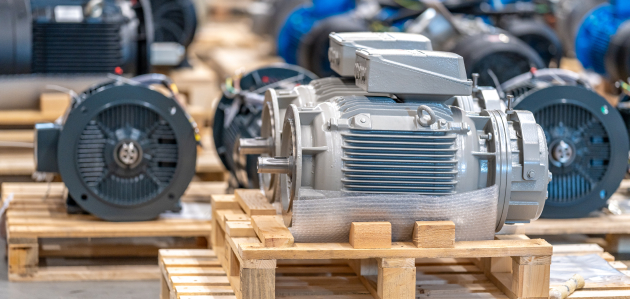
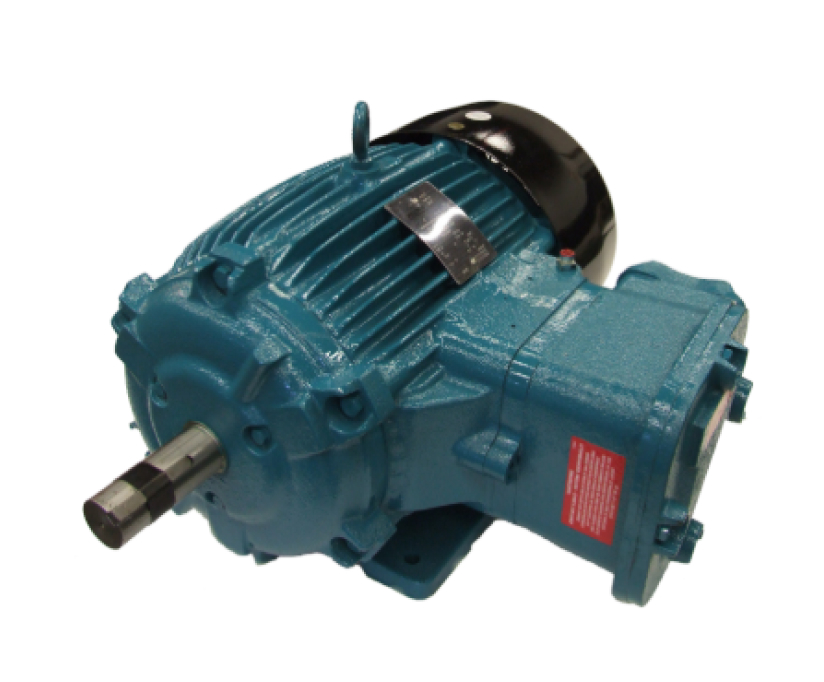
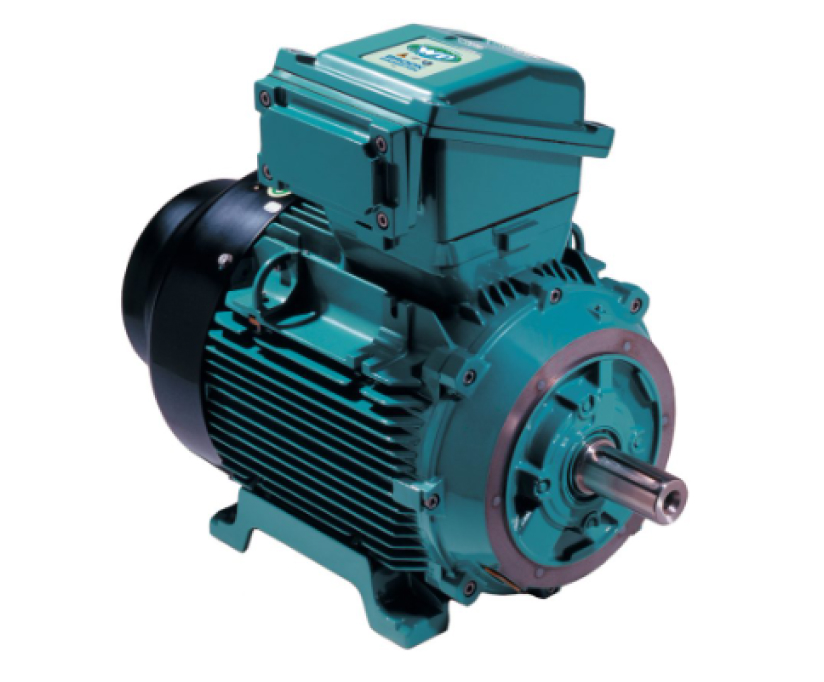
Hazardous motors are also known as ATEX motors (from the French Atmosphères Explosibles) and RoHS motors (Restriction of Hazardous Substances). These terms refer to a type of motor designed to be used safely even in hazardous environments where normal motors are unsuitable. This means that they are crafted not to create sparks, arcs (or sustained electrical discharge that can jump across air gaps) or overheat. This ensures they are safety compliant by reducing the risk of explosion and increasing reliability.
Our Hazardous Motors
We can source ATEX motors and gearboxes
Where are hazardous area motors used?
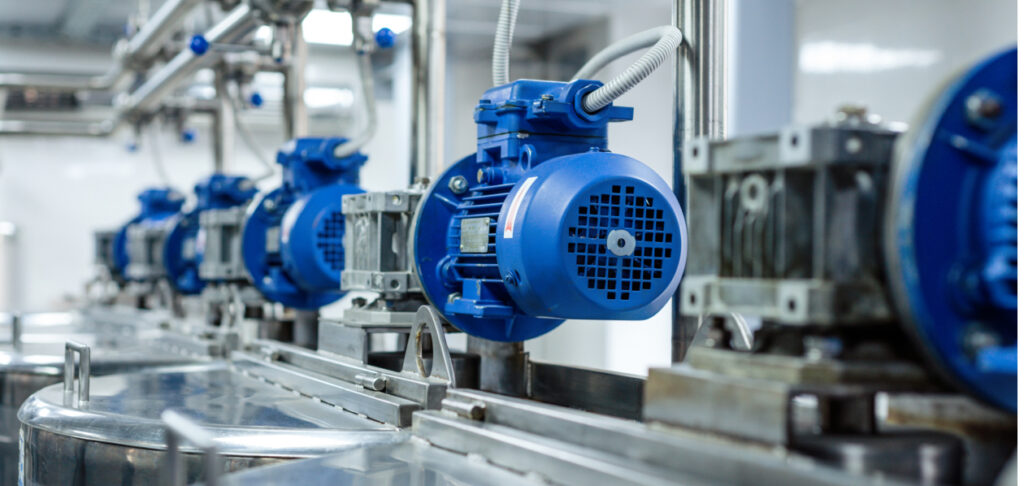
Hazardous area motors are used in a range of industries, from oil and gas to mining and agriculture. They can even be used successfully in food production plants where there is a risk of dust, such as custard powder! This is because RoHS motors are crafted with more robust materials than standard area motors, including corrosion-resistant enclosures. What this means is they can withstand much harsher conditions while remaining durable and safe.
What are the benefits of using hazardous area motors?
There are many specific benefits that using hazardous area motors have over more standard motors. The first of these is that RoHS motors meet stringent safety regulations, ensuring compliance. ATEX motors also use cooling systems that provide safe working temperatures, which are maintained even in a hot environment, while also minimising the chances of ignition.
The strong seals used in hazardous area motors also block out gas and dust, and use durable gaskets. This means that by using these types of area motors, you can ensure internal safety and integrity is properly maintained.
RoHS motors are also built to be far safer than regular models. They contain safety sensors and emergency shut-down systems. These sensors and shutdown systems automatically stop the motor in the case of an issue, removing the risk of human error.
Hazardous area motors can even reduce your expenditure costs, because they are so well-suited to their environment that they’ll be far more reliable, saving money on maintenance and repairs.
Discuss Your Requirements
Here at RJW Motors & Inverters, our team are experts in all things motors. Our manufacturer-trained technical team will be happy to answer your questions on hazardous area motors and track down the best make and model for your needs.
Understanding ATEX motor classifications
Under DSEAR 2002, site operators must classify each hazardous area by the frequency with which an explosive atmosphere is present. The classification is ultimately what decides the category of certified equipment organisations can install.
Hazardous area zones
Hazardous area zones fall into various categories, whether they contain flammable gas, vapour, or mist. Regulations break down the zone categories as follows:
- Zone 0: Explosive atmospheres are present continuously, for long periods, or frequently.
- Zone 1: An explosive atmosphere is likely to occur at some point during normal operation.
- Zone 2: An explosive atmosphere is not likely to occur during normal operation, and if it does, it will only persist for a short period.
Areas containing combustible dust must also follow similar logic. These fall into categories Zone 20, Zone 21, and Zone 22.
Equipment categories
For convenience, certified equipment comes with categories that map exactly onto these zones. Here’s how the categories break down:
- Category 1G for Zone 0, 2G for Zone 1, 3G for Zone 2
- Category 1D for Zone 20, 2D for Zone 21, 3D for Zone 22
Group I covers mining, while Group II covers surface industries.
Coding conventions are similar when describing equipment protection levels. Gas-related equipment follows Ga, Gb and Gc, while dust protection levels follow Da, Db, and Dc.
Most electric motors supplied are suitable for Zone 1, Zone 2, Zone 21, and Zone 22, covering both gas and dust areas. Motors suitable for Zone 0 are less common, and equipment rated in this way is usually intrinsically safe instrumentation rather than rotating machinery.
Types of protection
Motors come with various protection standards. These are expressed as codes:
- Ex db (flameproofing). Under this standard, the frame is able to contain the motor explosion and can cool escaping gases to prevent ignition of surrounding materials. This property makes Ex db-rated equipment suitable for Zone 1.
- Ex de (flameproof plus increased safety terminal box). This standard means the equipment has an increased safety terminal box. This configuration is most common among industrial motors.
- Ex eb (greater safety). This standard prevents arcs, sparks, and hot surfaces from the outset. This rating makes it suitable for Zone 1.
- Ex ec (non-sparking). This type of protection was previously designated Ex nA, and is suitable for Zone 2 applications..
- Ex tb / Ex tc (enclosure protection). These standards protect against dust for Zones 21 and 22, respectively.
Gas groups and temperature classes
Gas groups denote the atmosphere the motor is certified to work in. These come in various categories:
- IIA is propane
- IIB is ethylene
- IIC is hydrogen and acetylene
Dust classifications run as follows:
- IIIA – combustible flyings
- IIIB – non-conductive dust
- IIIC – conductive dust
Temperature classes denote the maximum surface temperature that a motor can reach:
- T1 motors: 450°C
- T2 motors: 300°C
- T3 motors: 200°C
- T4 motors: 135°C
- T5 motors: 100°C
- T6 motors: 85°C
If you’re not sure what classification your area requires, get in touch with our manufacturer-trained team. Call 0800 999 0200.

Frequently Asked Questions
What is a hazardous area motor?
It’s a motor especially designed to be used in an area containing an ignition / explosive hazards.
What power ranges do hazardous area motors come in?
Hazardous area motors come in both low and high kW ratings, various speeds and mounting types.
How do I choose the right hazardous area motor?
First of all, you must identify the type of hazardous zone you need to work in. To do this, consider whether the hazard comes from dust or gas, what temperatures could ignite the materials, and the type of protection needed. If you are unsure, speaking to our team will be highly beneficial.
Are hazardous area motors efficient?
Yes, hazardous area motors are available in high efficiency designs, including IE class rating, and EFF1 levels in some cases.
Not sure what
you're looking for?
Contact our experienced technical team
and we can help you find what you need.

Here to help
Our team are manufacturer trained, so we can help you choose the correct product for your needs – we welcome all calls.

Great Prices
We have direct links with manufacturers, so can secure the best prices. No matter your budget, we can find you the perfect product.

Free & Speedy Delivery
We sell from stock, enabling all our products to be dispatched and tracked, free and quickly straight to your door.